Реальная разница между алюминиевой пастой и перламутровым пигментом (и когда использовать каждый из них)
May 07, 2026
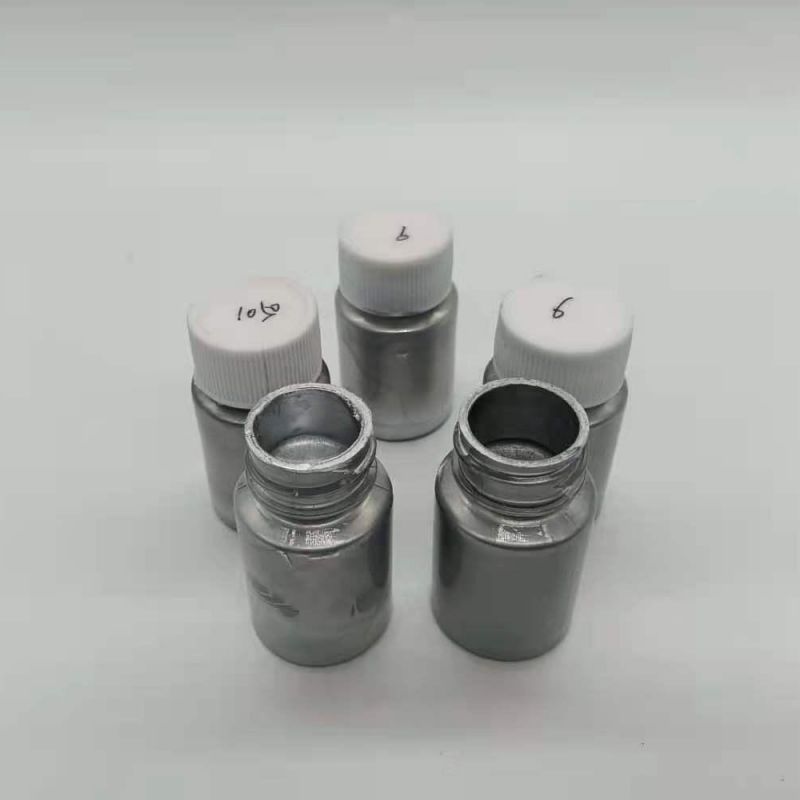
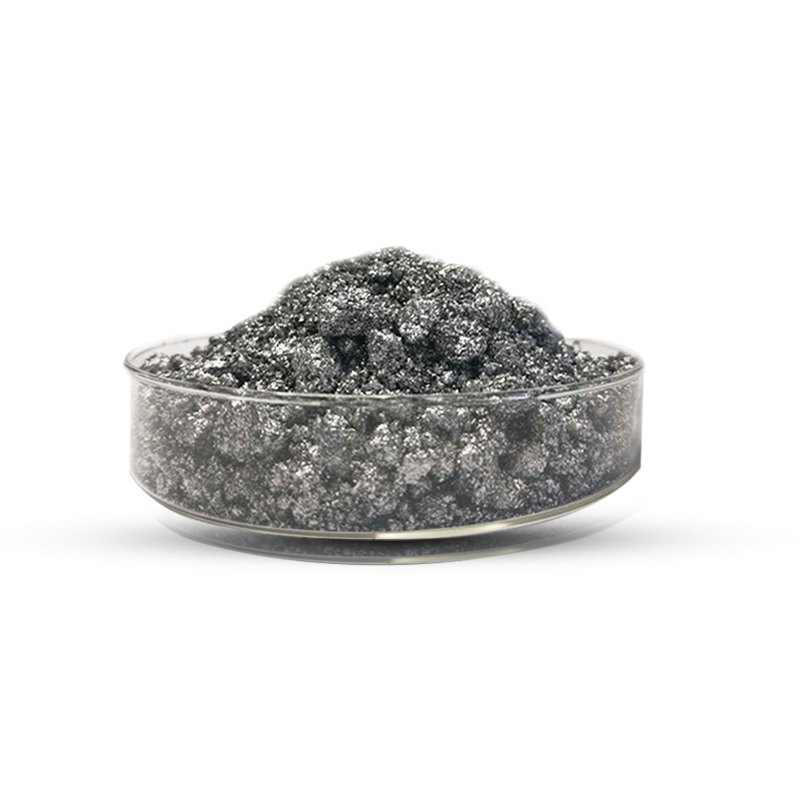
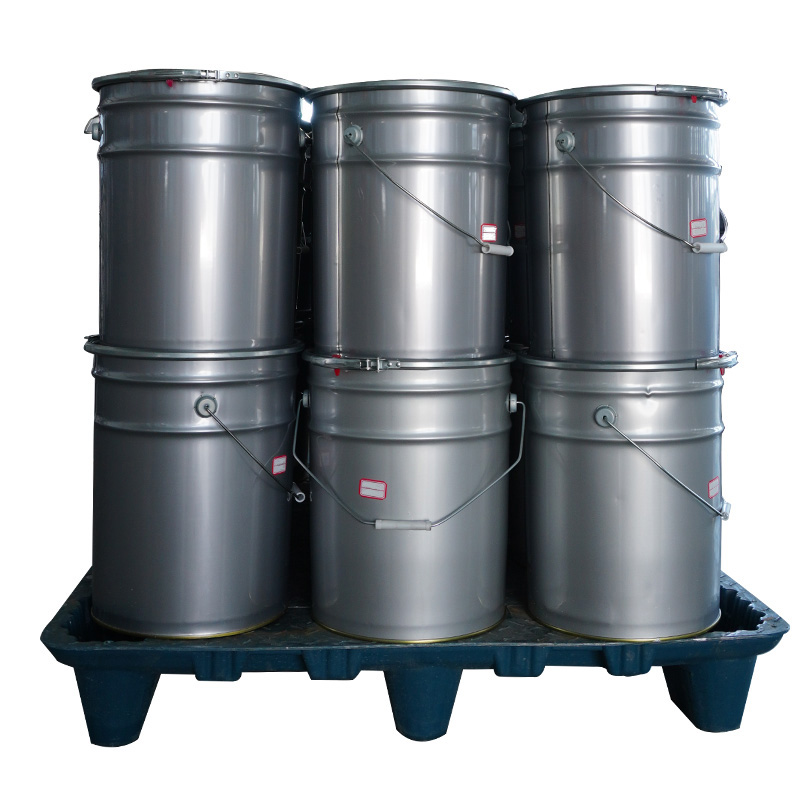
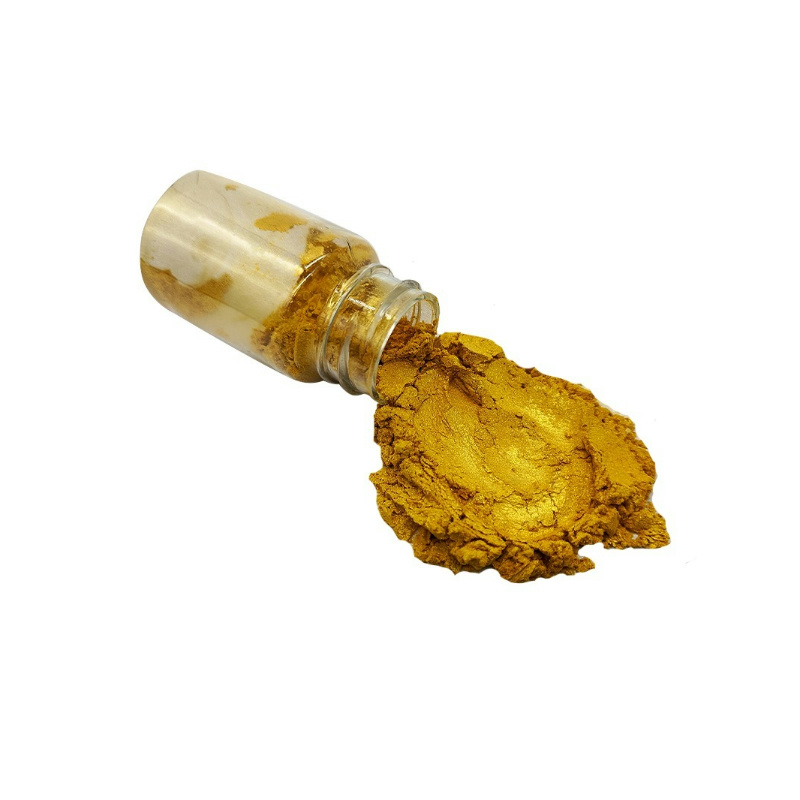
Если вы когда-либо стояли в магазине красок, разглядывая образцы цветов и удивляясь, почему одни покрытия выглядят как жидкий металл, а другие, кажется, меняют цвет, когда вы проходите мимо, вы не одиноки. Секрет этих двух совершенно разных эффектов кроется в двух материалах:алюминиевая пастаиперламутровый пигментЗвучат технически, конечно, но путаница между ними может привести к дорогостоящей ошибке, будь то реставрация автомобиля, разработка упаковки или создание косметической формулы.Я сам столкнулся с этим несколько лет назад, когда помогал другу реставрировать классический мотоцикл. Нам нужен был глубокий, влажный синий цвет, который бы при этом «выглядел» на солнце. Мы взяли металлизированный набор, думая, что он справится, но результат получился плоским и слишком блестящим — как у лодки для рыбалки. Оказалось, нам нужен был перламутровый синий поверх темного базового слоя, а не металлизированная алюминиевая крошка. Эта ошибка научила меня разбираться в том, как работают эти два материала, а не просто в том, как они называются.Что же это за два материала?Давайте пропустим определения из учебников.Алюминиевая пастаПо сути, это миллионы крошечных алюминиевых хлопьев, плавающих в носителе (растворителе или воде). В покрытии эти плоские, зеркальные частицы наслаиваются и отражают свет прямо на вас. Именно поэтому металлизированный автомобиль выглядит ярким и насыщенным под прямыми солнечными лучами — вы видите тысячи крошечных зеркал. Размер хлопьев имеет большое значение. Более мелкие хлопья придают гладкий, почти бархатистый блеск; более крупные добавляют заметный блеск, привлекающий внимание даже с другой стороны улицы. В отрасли его часто называют «серебряной пастой» из-за этого сильного серебристого металлического блеска.Перламутровый пигментРаботает совершенно иначе. Традиционные пигменты начинаются с хлопьев слюды, покрытых оксидами металлов, такими как диоксид титана или оксид железа. Вместо того чтобы просто отражать свет, эти пигменты создают цвет посредствомпомехи—такая же игра света, которую вы видите на мыльном пузыре или нефтяном пятне. Именно это создает мягкое, меняющее цвет свечение, которое меняется в зависимости от угла обзора. Эффект более тонкий, чем у полностью металлического блеска, но он обладает глубиной, которая делает его более интересным для созерцания со временем. Природа поняла это давным-давно: настоящие жемчужины состоят из чередующихся слоев карбоната кальция и белка, что вдохновило нас на создание синтетических аналогов, которые мы используем сегодня.Где вы на самом деле столкнетесь с этими материаламиАвтомобильные покрытияВозьмите самый большой кусок. Металлическая краска (с использованием алюминиевой пасты) десятилетиями была стандартом для обычных автомобилей — она долговечна, экономична и выглядит аккуратно. Перламутровые покрытия раньше были прерогативой люксовых моделей, но теперь они гораздо доступнее. Как подчеркивают отраслевые анализы.Глобал ТуокайВ современных автомобильных системах окраски часто сочетаются два подхода: перламутровый верхний слой поверх пастообразной основы из алюминиево-серебристого сплава, в результате чего получаются цвета, которые под одним углом выглядят как серебристые, а под другим — как нежно-золотые или синие.Пластмассы и мастербатчиЭто еще одна огромная область. Когда алюминиевая паста или перламутровый порошок добавляются в концентраты красителей для пластика (мастербатчи), смола-носитель должна должным образом смачивать и диспергировать хлопья пигмента. Если диспергирование нарушено, конечный продукт будет иметь полосы или неравномерное мерцание. Как подробно описано вТехническая статья Global Tuocai за 2025 год о применении мастербатчейВ большинстве составов для обеспечения равномерного распределения эффектных пигментов и предотвращения их слипания используются полиэтиленовый воск или стеараты.КосметикаЭто может вас удивить. Алюминиевая паста может обеспечить эффектный, зеркальный металлический блеск в лаках для ногтей и тенях для век, но правила безопасности здесь гораздо строже. Перламутровые пигменты доминируют, потому что они обеспечивают более мягкое, естественное сияние, которое люди хотят видеть в прессованных пудрах и средствах для губ. Рынок эффектных пигментов в косметике стабильно растет уже много лет, чему способствует спрос на изысканные визуальные эффекты, которые не выглядят кричащими.Печатные краски и декоративная упаковкаЗавершают список основных. Металлизированные чернила на основе алюминия повсеместно используются на подарочных коробках, премиальных этикетках и косметической упаковке, где быстрый визуальный эффект влияет на решение о покупке.Сравнительный анализ: какой из них действительно стоит выбрать?Это главный вопрос, и ответ на него полностью зависит от вашего проекта.Рекомендуется использовать алюминиевую пасту в следующих случаях:Вам нужен сильный, зеркальный металлический блеск.Долговечность при использовании на открытом воздухе и коррозионная стойкость являются первостепенными приоритетами.Вам нужны стабильные и предсказуемые результаты на производственной линии.Вы работаете с автомобильными базовыми покрытиями, промышленными покрытиями или любыми другими материалами, где светоотражающие свойства имеют ключевое значение.Грамотно разработанная алюминиевая паста, особенно варианты с инкапсуляцией из диоксида кремния или смолы, способна выдерживать обширные испытания в солевом тумане, не теряя при этом своего внешнего вида, что является важнейшим критерием для любых изделий, эксплуатируемых на открытом воздухе.Выбирайте перламутровый пигмент в следующих случаях:Вам нужен мягкий, меняющий цвет мерцающий эффект, а не зеркальное покрытие.Угол, под которым человек рассматривает отделку, имеет значение для вашего дизайна.Вы работаете в сфере косметики, спецэффектов или вам необходимо ощущение глубины и высокого качества.Вы пытаетесь создать многослойный «вау-эффект», которого невозможно добиться одним лишь алюминием.В настоящее время происходит захватывающая разработка перламутровых пигментов без подложки — пигментов, которые полностью отказываются от традиционной слюдяной основы. Исследование 2026 года, опубликованное в [ссылка на исследование],Materials Letters (ScienceDirect)Подробно описан новый темно-синий перламутровый пигмент на основе полос диоксида ванадия, демонстрирующий движение отрасли к новым материалам, которые могут снизить затраты и расширить цветовую гамму.Какие изменения происходят в отрасли прямо сейчас?Стоит обратить внимание на две тенденции.Первый,экологически чистые системы водоснабженияОни перестали быть нишевыми — они становятся стандартом. Производители активно разрабатывают алюминиевые пасты с инкапсулированным диоксидом кремния и покрытием из смолы, которые хорошо зарекомендовали себя в таких системах покрытий с низким содержанием летучих органических соединений.Во-вторых,совместимость радараДискуссия накаляется, и её подпитывают технологии автономного вождения. Инженерам нужны радиолокационно-прозрачные серебристые покрытия (часто представляющие собой смесь алюминия и перламутровых пигментов), чтобы автомобили могли сохранять металлический вид, не блокируя датчики, отвечающие за системы безопасности. Это сложный баланс между внешним видом и функциональностью.Несколько практических выводовВсегда проводите тестирование на небольших объемах.Взаимодействие этих пигментов с различными связующими веществами сильно различается. Состав, который идеально выглядит на бумаге, может вести себя неожиданно при распылении, погружении или впрыскивании. Перед запуском в производство большой партии проведите небольшой пробный образец.Для достижения наилучших результатов используйте их в сочетании.Алюминиевая паста создает яркий, блестящий эффект. Перламутровый пигмент добавляет эффект изменения цвета. Наслаивание обоих компонентов позволяет получить покрытие, которое заставит людей остановиться и восхититься.Примечание по технике безопасности:Алюминиевая паста требует большего внимания, чем перламутровые пигменты, особенно в отношении воспламеняемости при хранении. Всегда проверяйте, является ли паста на основе растворителя или на водной основе, и строго следуйте инструкциям поставщика по обращению с ней.Для косметики:Ищите продукты, на которых четко указано, являются ли перламутровые пигменты на основе слюды или синтетическими. Потребители обращают внимание на такую прозрачность, и это помогает завоевать доверие людей с чувствительной кожей.СсылкиГлобальный Туокай. «Применение алюминиевой пасты и перламутрового порошка в производстве мастербатчей.2025.Глобальный Туокай. «Обязательно к прочтению для пользователей и производителей автомобильных красок: Комплексный анализ типов красок и основных сырьевых материалов (алюминиевая серебряная паста/перламутровый порошок).2026.ScienceDirect (Materials Letters).Синтез нового темно-синего перламутрового пигмента без субстрата на основе лентообразного VO₂(B).2026.
ЧИТАТЬ ДАЛЕЕ






 Поддерживается сеть IPv6